

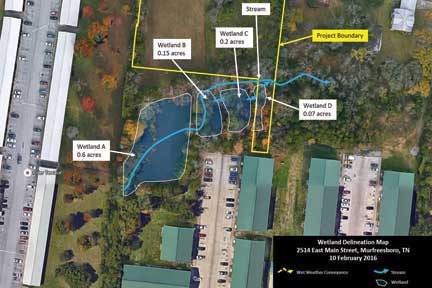
Grow Environmental Solutions conducts wetland delineations of small and large tracts of land for residential and commercial development.
Once wetlands have been delineated for a site, GES can provide permitting and mitigation expertise to effectively plan for cost-effective development. Our staff of biologists and wetland scientists have over 34 years experience conducting wetland delineations across the southeastern United States in forested, glade, disturbed and unique wetlands. Wetland delineations follow regional-specific Corps of Engineers standards.
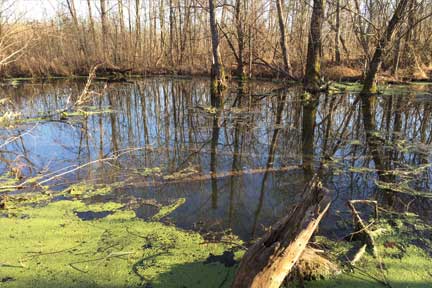
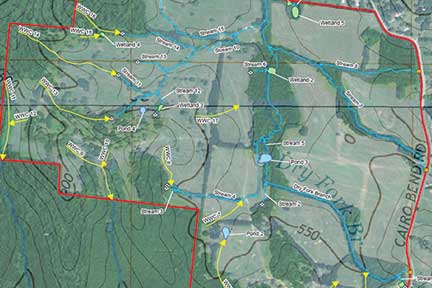
Grow Environmental Solutions has conducted over 600 hydrologic determinations and water quality studies during the past five years.
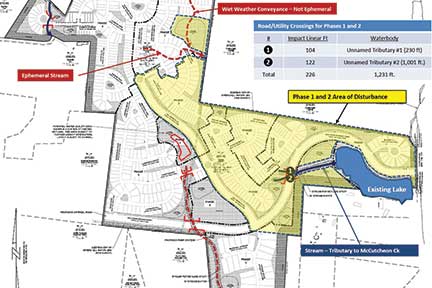
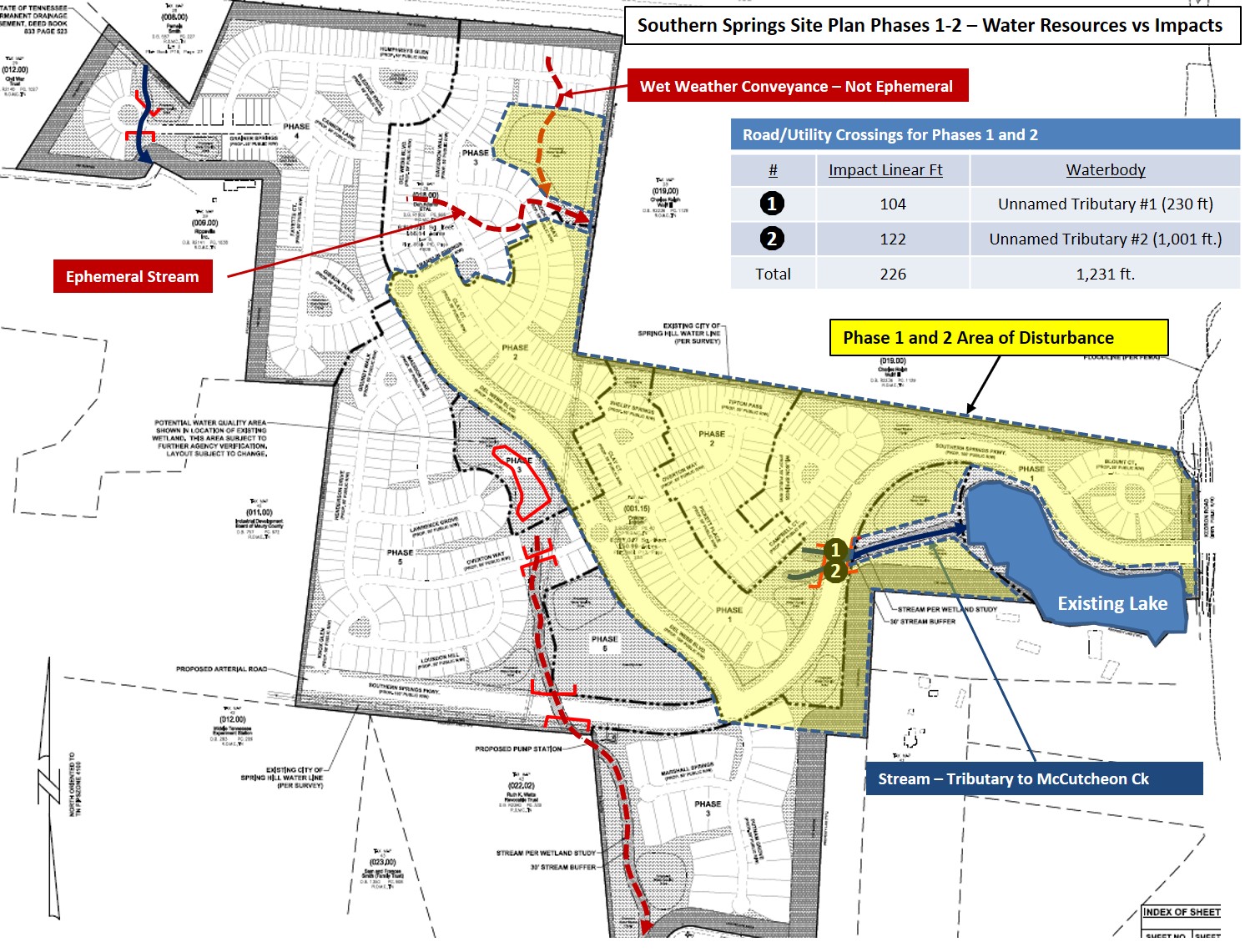
Hydrologic determinations are conducted by state-qualified hydrologic professionals and biologists. Our hydrologic determination reports are utilized by planners and state regulatory programs for minimizing water resource impacts in developing sites. Projects include large residential developments, commercial site planning and road and utility location. In addition, GES conducts sampling and monitoring of streams, lakes and rivers to assess water quality impact on aquatic life and recreational use.
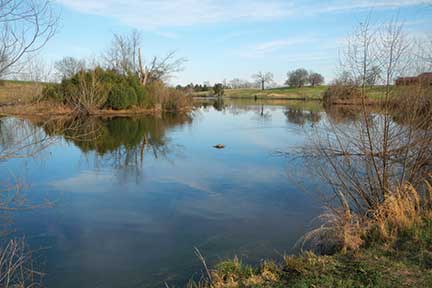
Grow Environmental Solutions provides Phase I and II environmental site assessments (ESAs) for residential, commercial and industrial properties all across the southeastern United States.
Phase I site assessments have consisted of single small parcels (< 5 acres) up to large industrial parcels (>5,600 acres). Sites include gas stations, dry cleaner operations, industrial manufacturing, residential, agricultural and mining. GES follows ASTM Standard 1527-13 in conducting ESAs.
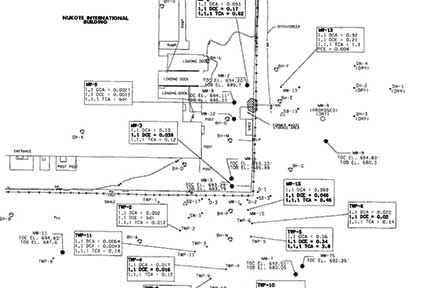
Phase II Site Investigations are conducted to determine if contamination of subsurface soil and water has occurred at a proposed site. GES has conducted numerous investigations at former manufacturing sites to include soil borings, PID vapor gas monitoring, groundwater monitoring well installation and contaminated soil management.
Grow Environmental Solutions provides expertise to clients in maintaining compliance with complex state and federal environmental regulations.
Support includes:
- Aquatic Resource Alteration Permitting: GES prepares applications and supporting documentation to permit construction or alteration of water resources in developing a site. GES has extensive experience working with TDEC and the Nashville District Corps of Engineers from application submittal through permit issuance.
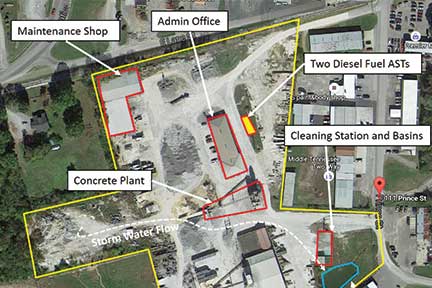
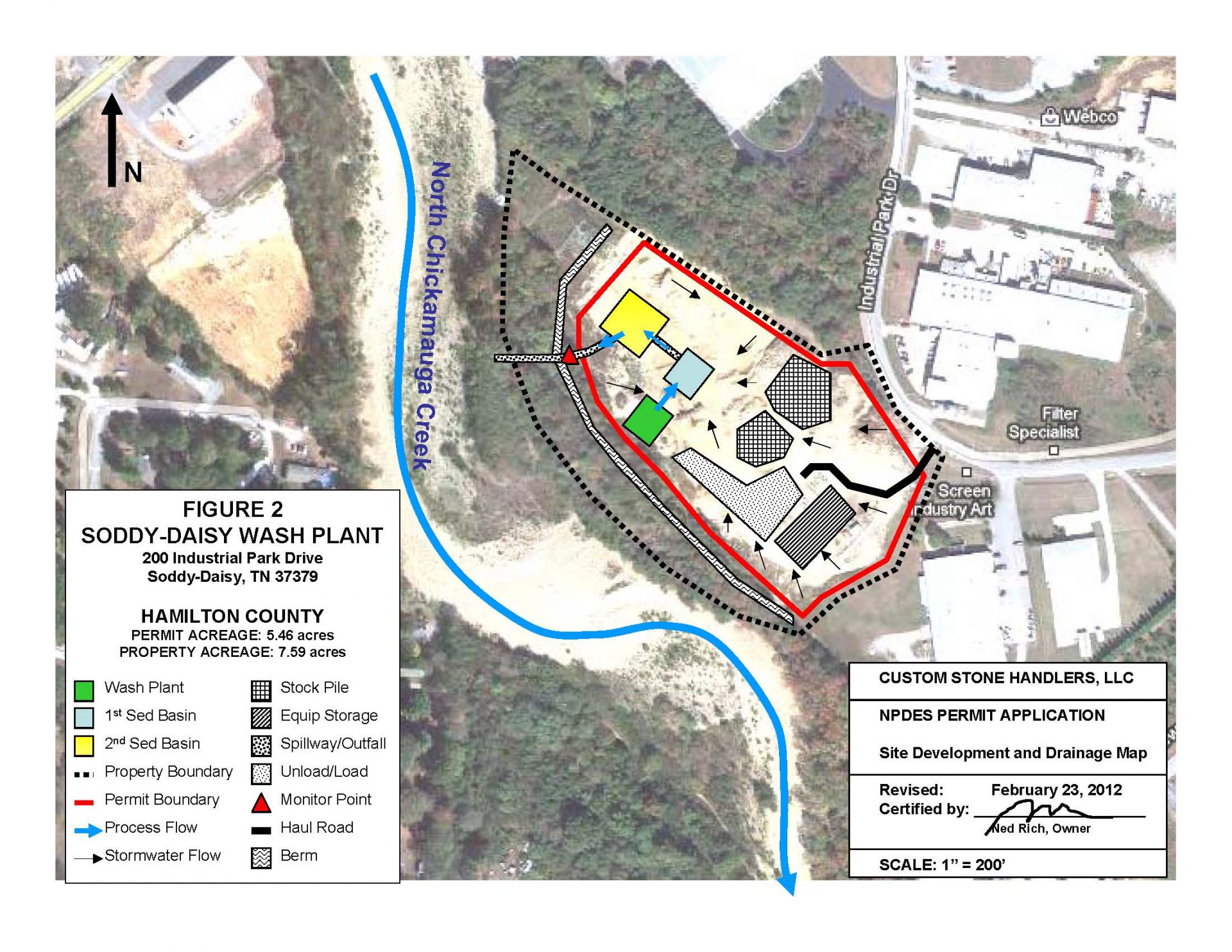
- Industrial Discharge Permitting: GES works with industrial and commercial clients to permit process water discharges from their operations. Tasks include process review and improvement, water discharge analysis and treatment studies and flow process mapping.
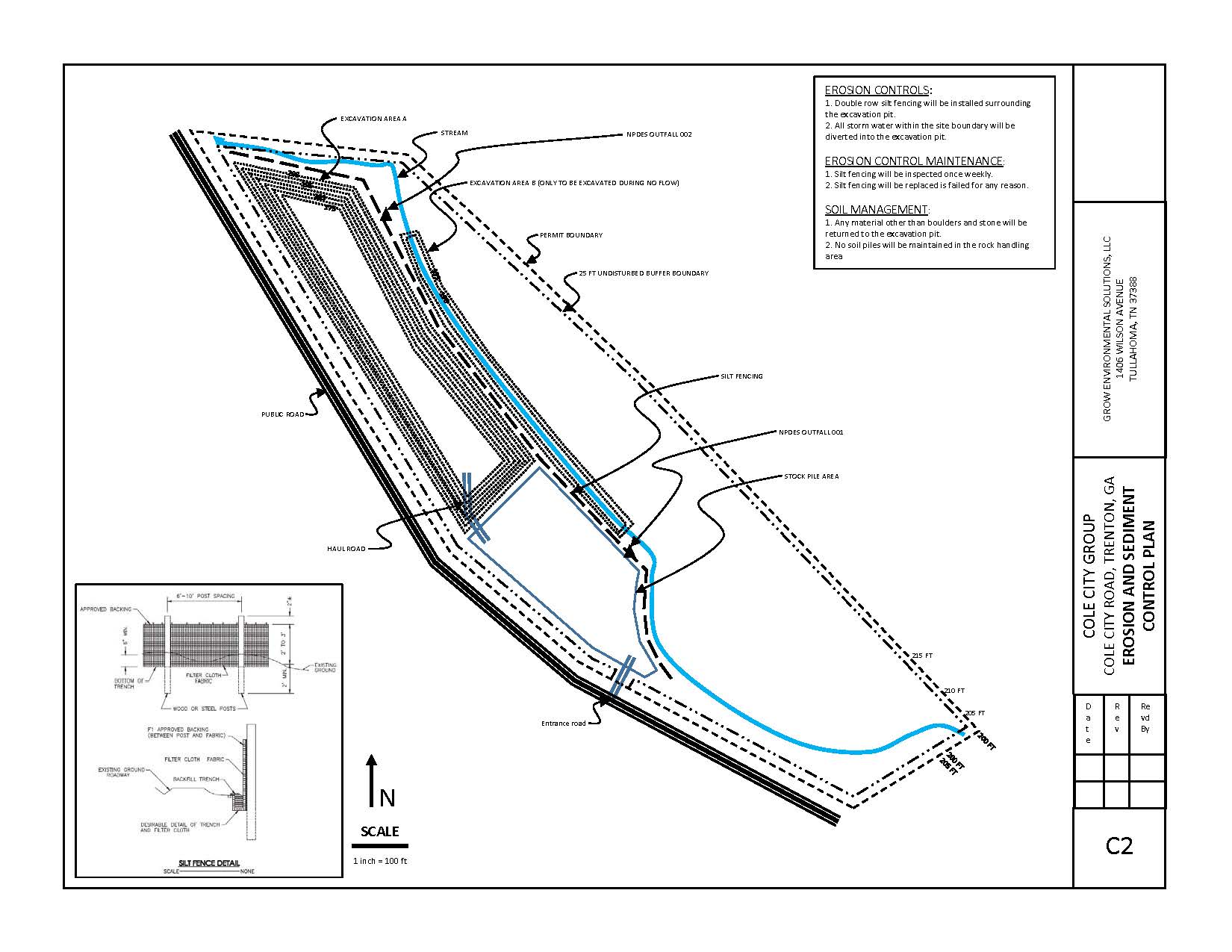
- Stormwater Inspections and Monitoring: GES provides routine inspections of construction sites to document compliance with stormwater regulations. GES conducts inspections of numerous sites from 20 to 650 acres in size.
- Resource Constraints Analysis: GES develops analysis of future land tracts as to their suitability for proposed development. All water resource features as well as ecological resources are mapped in order to identify constraints that may need to be addressed during site planning.
- Underground Injection Control Permitting: Construction around and over sinkholes requires careful study and planning in order to allow sound residential or commercial development. GES prepares UIC applications to allow repair of sinkholes to promote site development.
- Construction General Permitting: GES prepares Notice of Intent applications and supporting documentation for permitting site grading of residential and commercial developments.
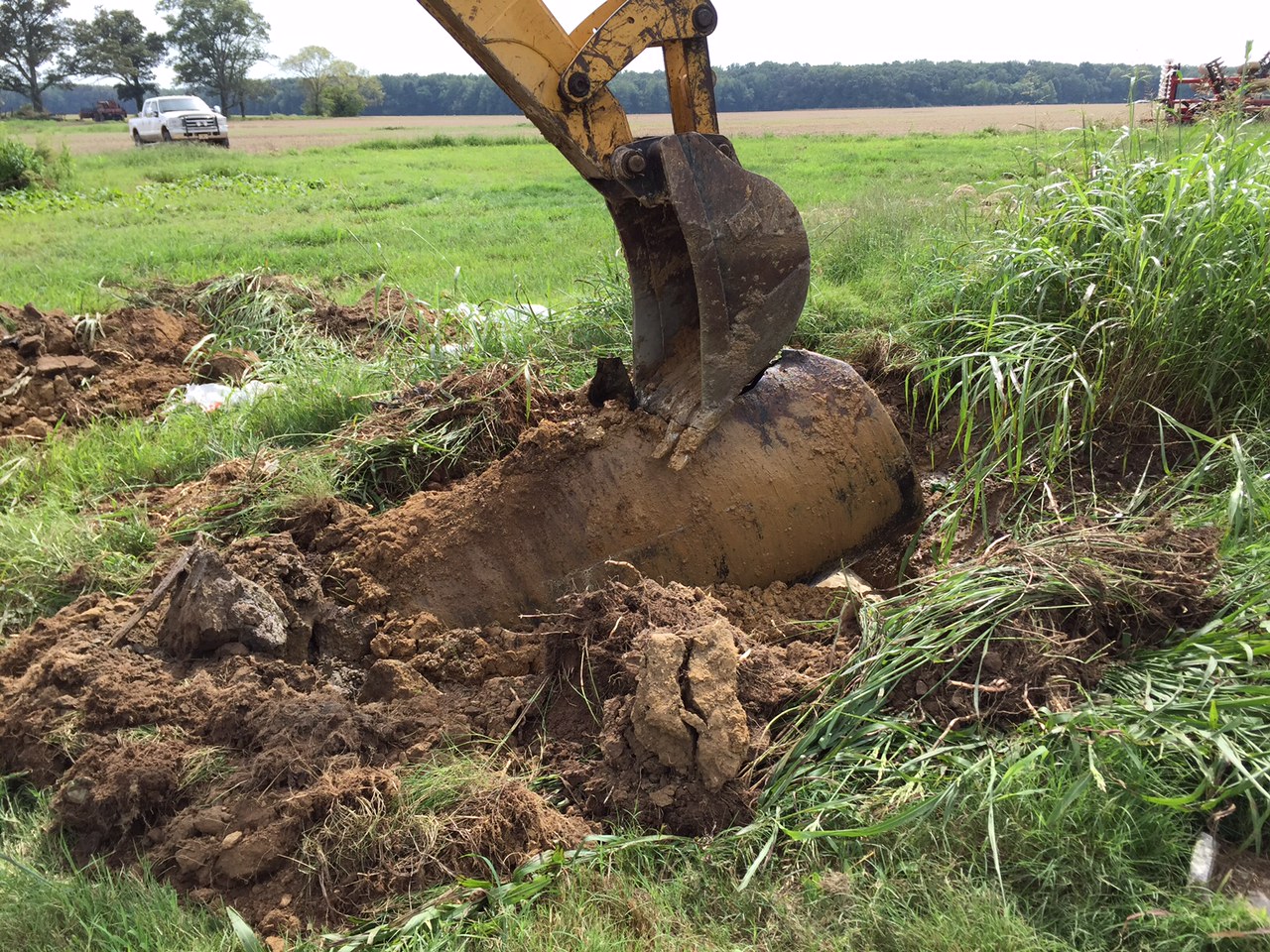
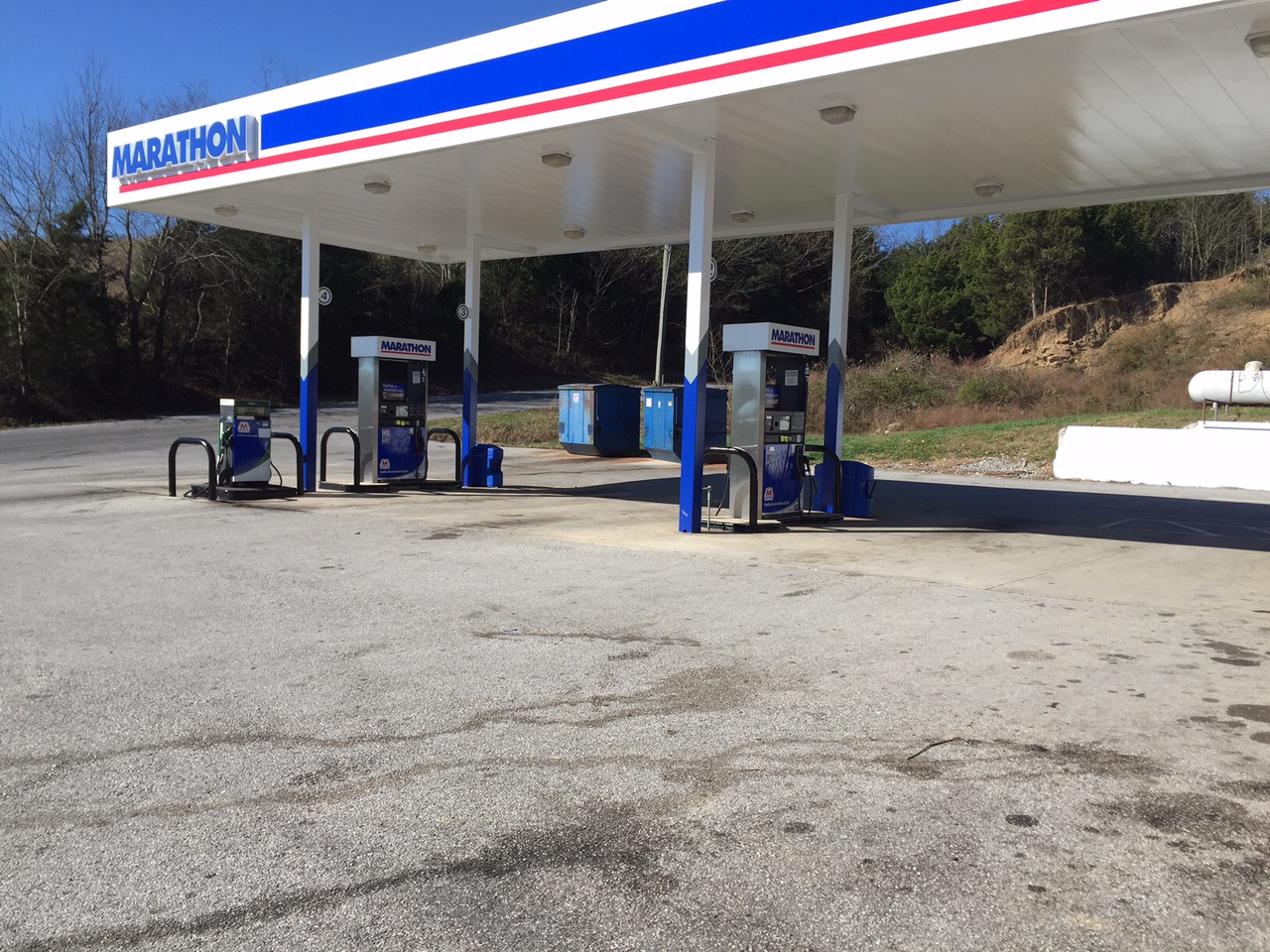
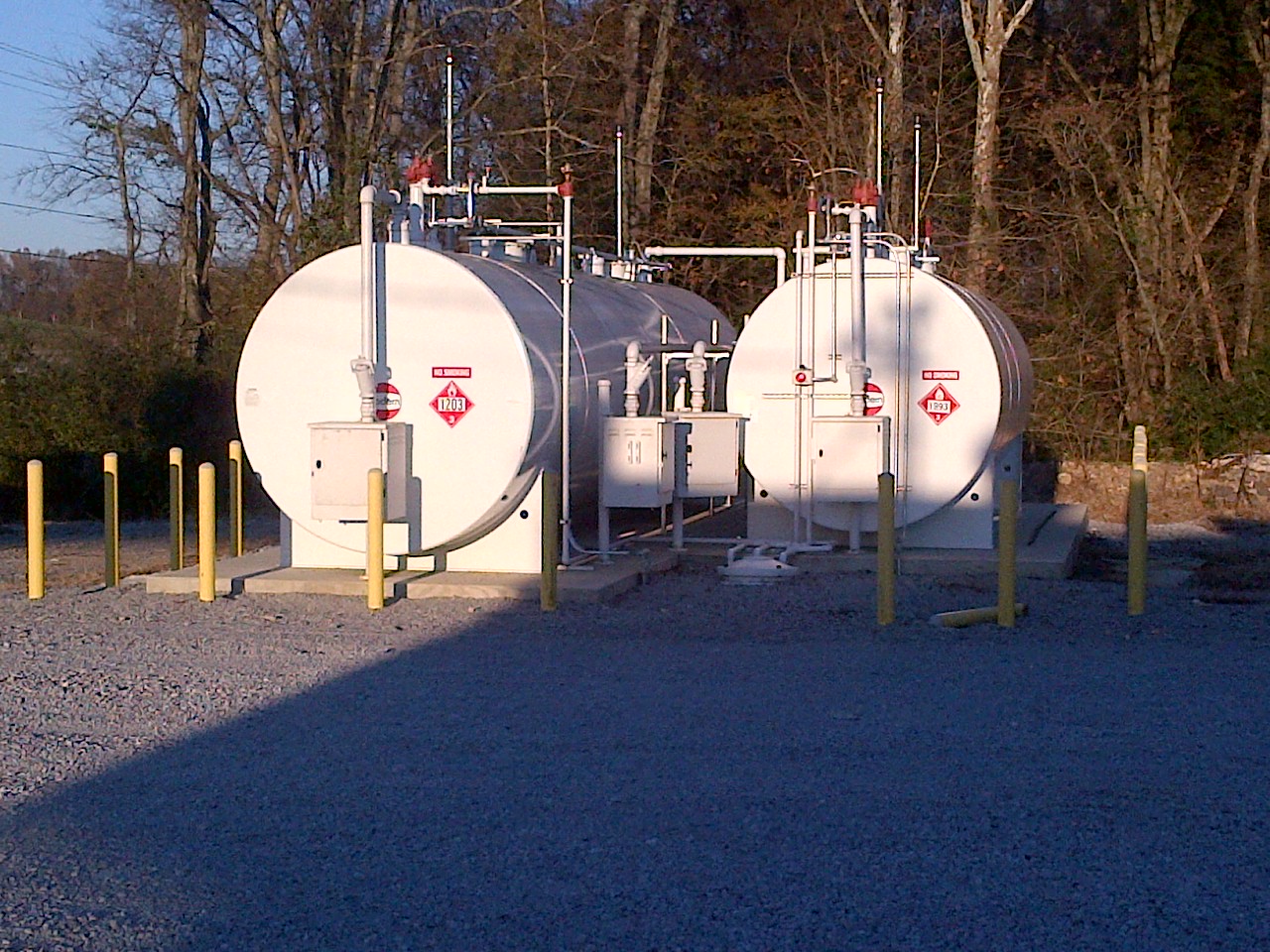
- Underground Storage Tank Inspections and Monitoring: GES conducts UST inspections of convenience stores to document compliance with state and federal regulations. Inspections include a review of monitoring records, tank gauging equipment, cathodic protection and leak monitoring equipment.
Grow Environmental Solutions is staffed with experts in conducting various ecological surveys to meet clients requirements in developing their sites.
Examples of ecological surveys include rare, threatened and endangered species assessments, including freshwater aquatic surveys, benthic macroinvertebrate collections and stream habitat assessments. Our biologists are knowledgeable in the identification of aquatic organisms including threatened and endangered species and our staff have Open Water SCUBA certification.
Rare, Threatened and Endangered Species Assessments: Our staff has expertise in assessing habitats for various RTE species including the Nashville crayfish, streamside salamander, red darter, Indiana and long-eared bats and various flora.
Freshwater Aquatic Surveys: GES has conducted numerous freshwater surveys to determine presence/absence of aquatic life in planning aquatic resource impacts.
Benthic Macroinvertebrate Collections: GES has conducted over 600 hydrologic determinations involving macroinvertebrate identification and stream quality assessment.
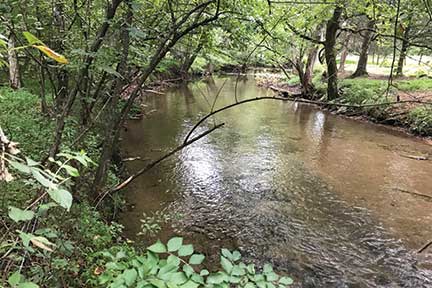
Stream Habitat Assessments: GES has assessed over 5,000 miles of stream habitat to determine riparian buffer quality, morphological features and bed-bank restorative measures.
Grow Environmental Solutions provides aerial photography services to document near-real time site conditions for developmental planning and tracking progress.
GES uses a DJI Phantom 4 drone equipped with a high-resolution camera to capture high-definition aerial imagery or film under various lighting conditions.
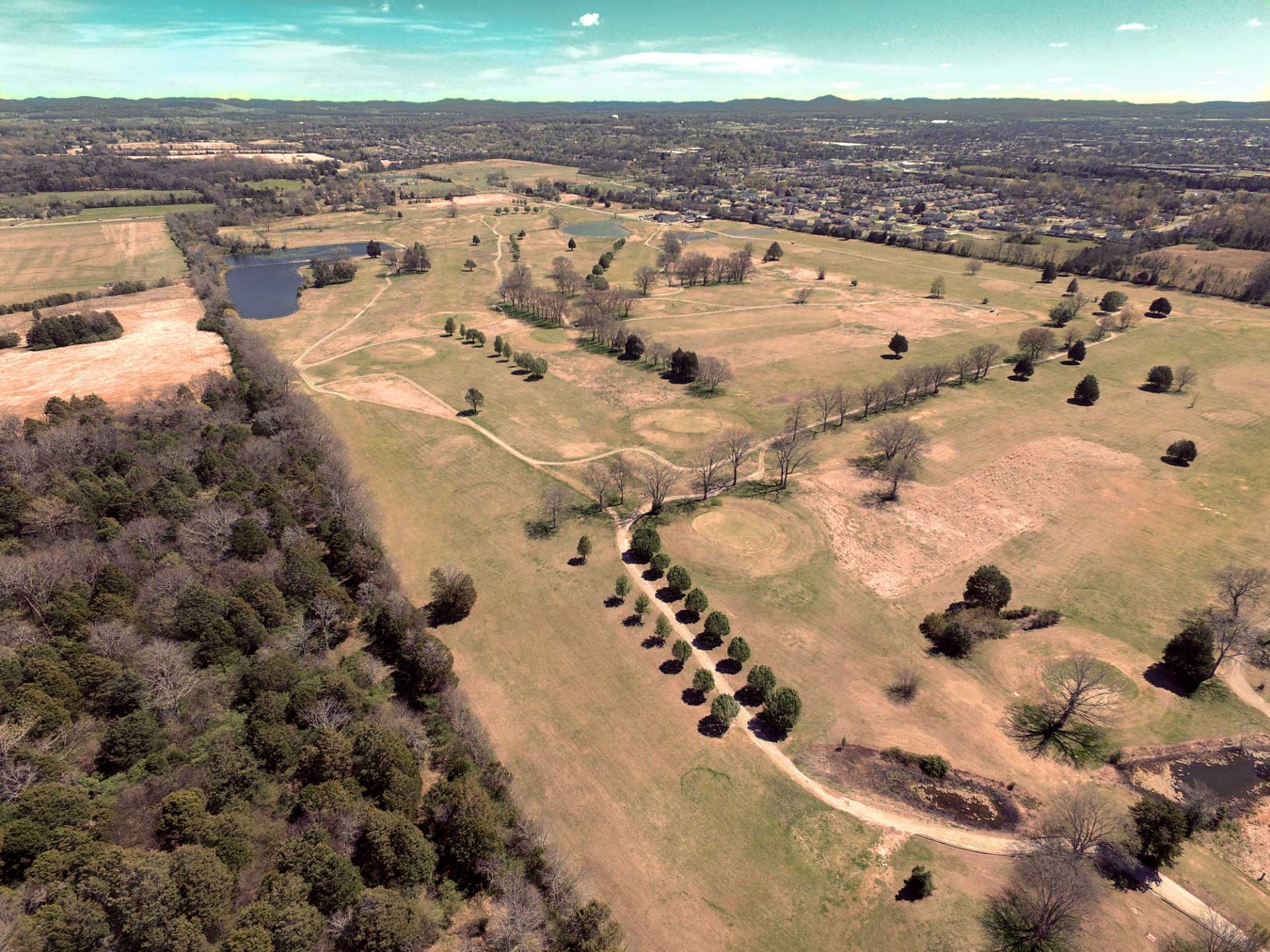
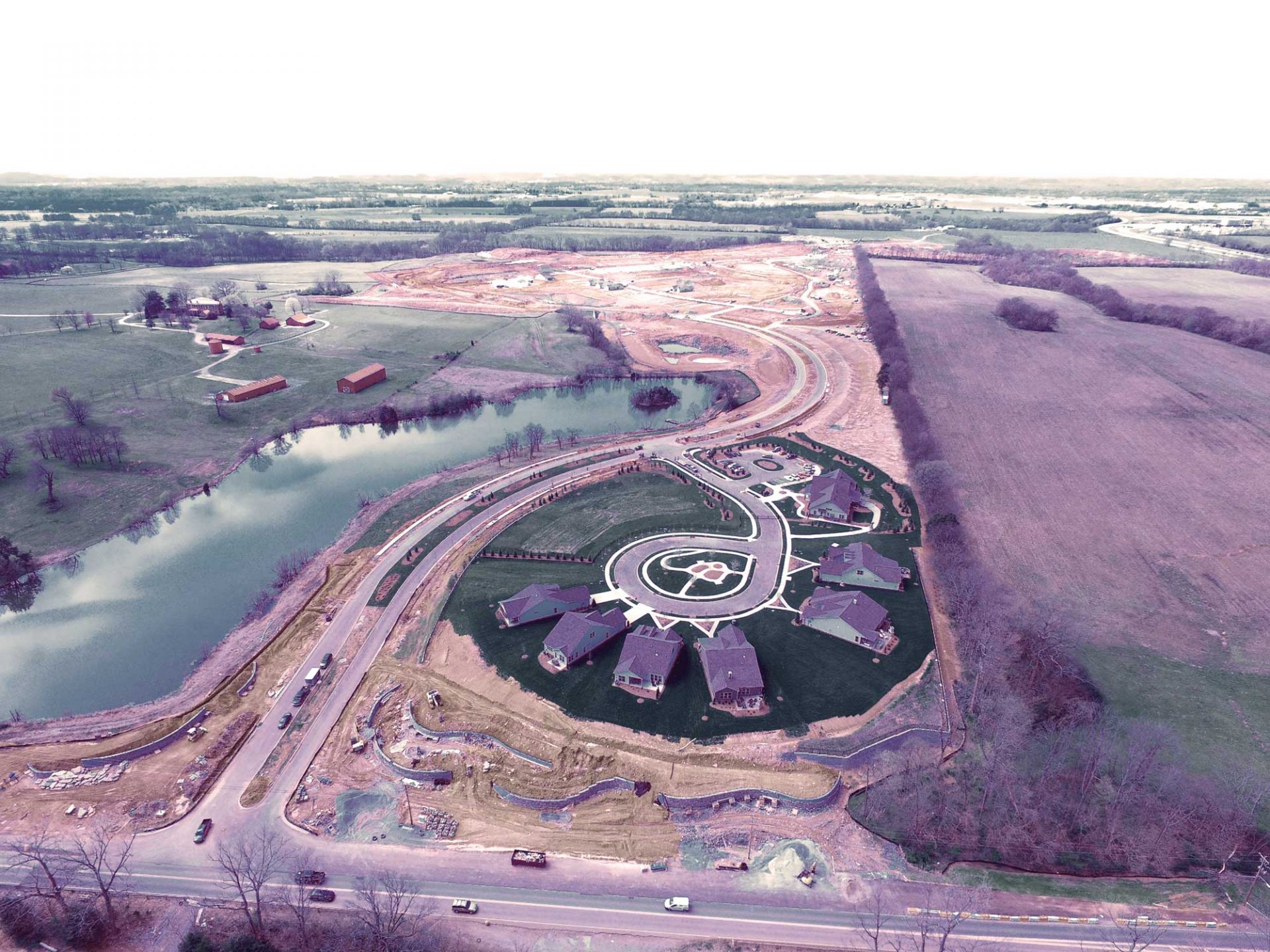
GES uses a DJI Phantom 4 drone equipped with a high-resolution camera to capture high-definition aerial imagery or film under various lighting conditions.
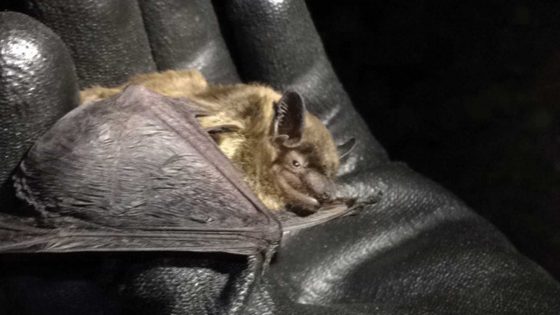
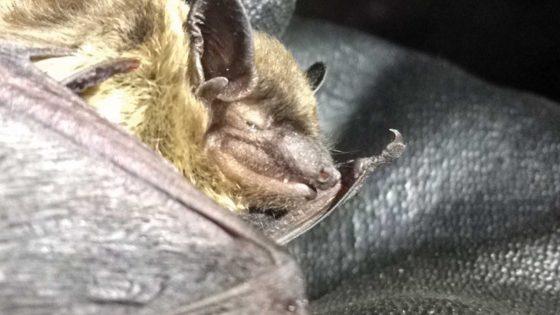
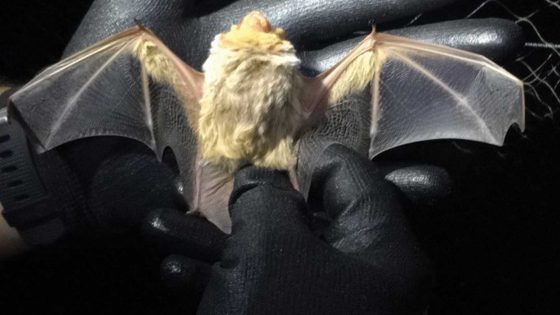
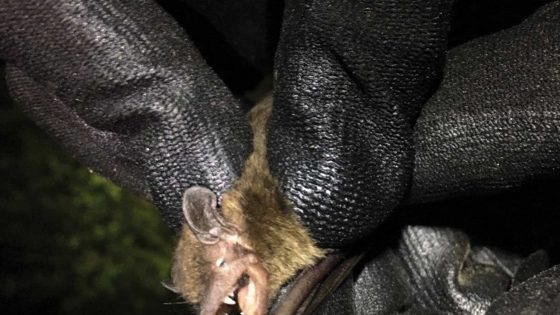
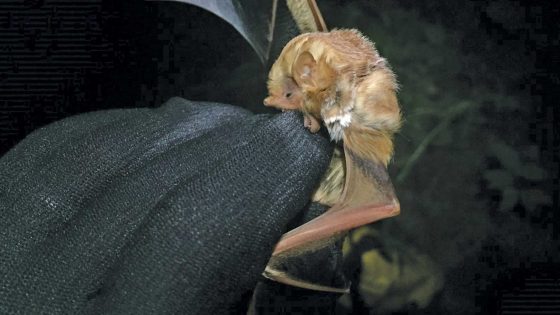
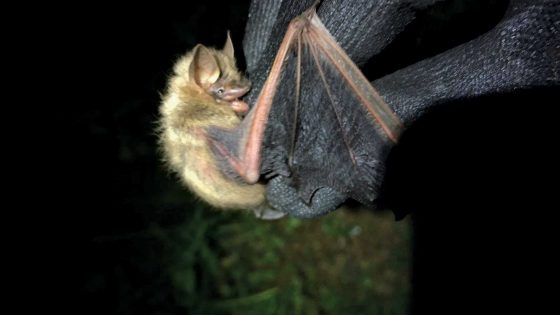
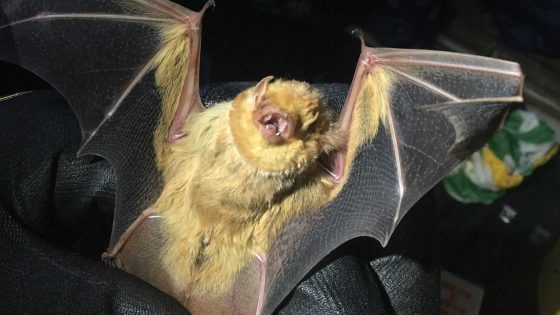
GES is equipped and staffed to provide a full range of bat survey-related services:
Habitat Assessments
Don’t know if your project will impact federal-listed bat species? That’s ok because at GES we are skilled in assessing habitat within your project site to determine if the habitat is suitable for bat foraging and/or roosting. Bat habitat assessments include a site visit, report, maps, and photos to document habitat
within the project site. If suitable habitat is present, GES coordinates potential options for help your project proceed as quickly as possible.
Acoustic Surveys
Have suitable habitat and need to survey if federal-listed bats are present within your project site? GES is equipped and skilled at conducting acoustic surveys. We utilize an AnaBat SD2 Active Bat Detector to listen for bats flying in the area. Qualified biologists at GES then analyze and screen the calls using EchoClass to further verify bat species. Acoustic surveys include site visits, report, maps, photos, and call analyses. If federal-listed bat calls are detected, additional surveying through a presence/absence may be required.
Presence/Absence Surveys
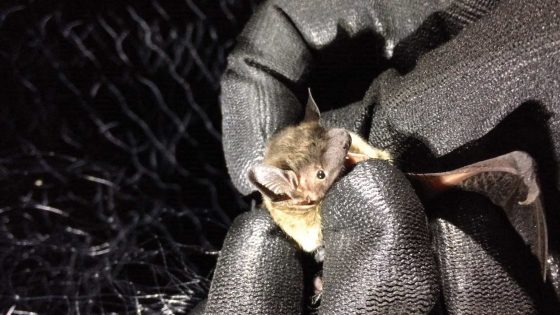
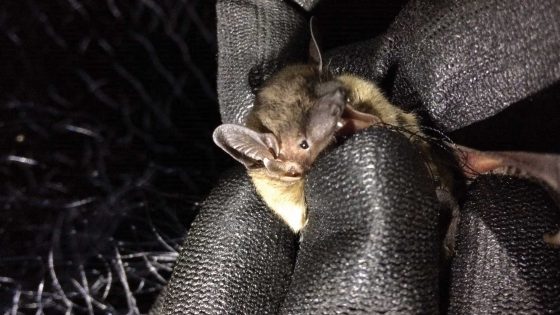
Need to verify that federal-listed bats are on your project site? GES utilizes single-, double-, and triple-high mist net systems to effectively and efficiently capture bats. Our permitted bat biologist has experience in the handling and identification of bats. Presence/absence surveys require multiple site visits to determine mist net placement, net setup, and monitoring of nets during bat captures. Presence/absence surveys include draft study plans, site visits, report, maps, photos, as well as coordination with appropriate state and federal agencies.
Coordination
GES has extensive relationships with and experience in coordinating with state and federal agencies such as Tennessee Wildlife Resources Agency and U.S. Fish and Wildlife Service. GES can plan, conduct, and coordinate your project efficiently with the appropriate state and federal agencies so you don’t have to.
GES conducts inspections and sampling of small to large residential, commercial and industrial properties to identify asbestos containing materials (ACM).
Sampling is conducted of suspect ACM and a report is provided to the abatement contractor.